

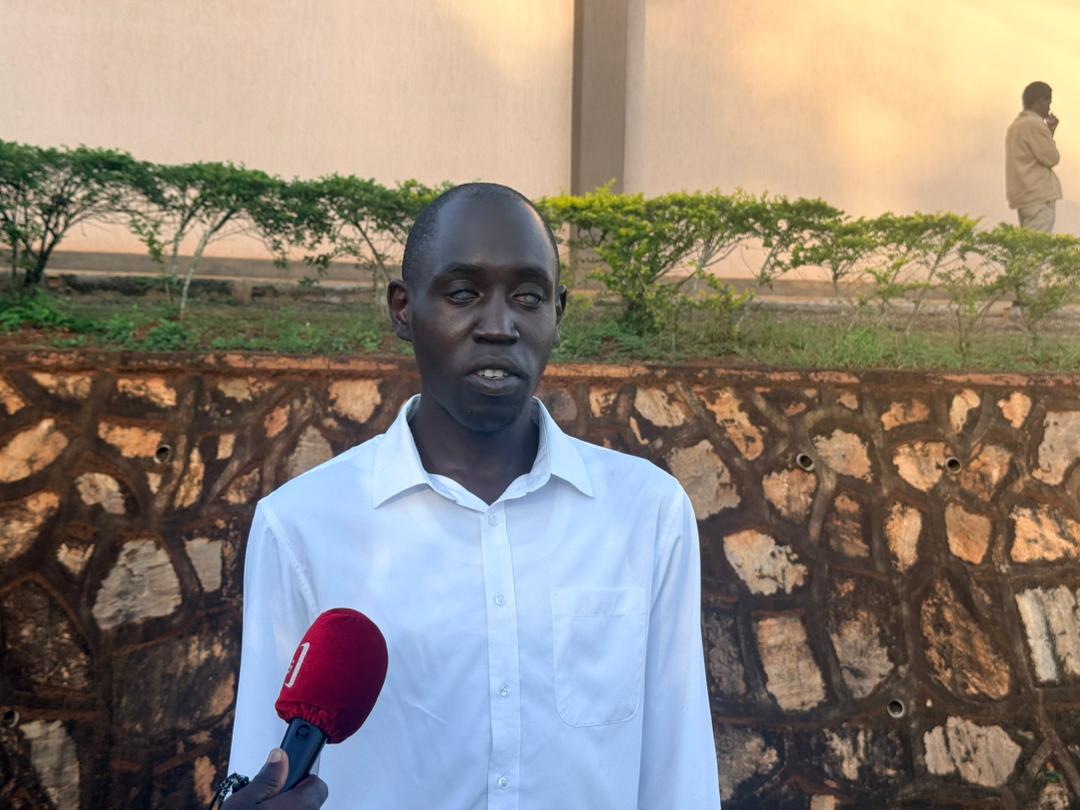
Education and disability rights advocates have raised concern over rising mental health challenges and social exclusion affecting students with disabilities in universities, warning that weak support systems are worsening depression, trauma and isolation among learners.
Former Guild Minister for Disability Affairs Joan Namagembe said many students with disabilities struggle to adapt to university life due to inadequate inclusive services, inaccessible learning environments and persistent negative attitudes.
“Students with disabilities face a lot of mental health challenges because of their condition and the environment they find at university,” Namagembe said. “When they arrive, it is a completely new setting. Some come from special schools and suddenly find themselves in institutions that are not fully prepared to support them.”
She noted that a lack of essential services such as sign language interpretation, accessible learning materials and accommodation support contributes significantly to psychological distress among students.
“In some cases, a deaf student enters a lecture room and there is no sign language interpreter. That student struggles to follow the lesson, and the constant stress affects their mental wellbeing,” she said.
Namagembe added that some students acquire disabilities later in life and are forced to navigate university systems while facing stigma and discrimination from peers and society.
She said these experiences often lead to emotional trauma, loneliness and withdrawal from social life.
“Some students isolate themselves because of how they are treated. They feel neglected, especially when attention is not given to their needs like it is for other students,” she said.
According to Namagembe, low self-esteem and lack of confidence also prevent many students from speaking up about the challenges they face, further worsening their mental health conditions.
She called for stronger disability inclusion policies in universities, including investment in accessibility infrastructure, trained support staff and expanded psychosocial services for learners with disabilities.
Disability rights advocates say the challenges extend beyond universities to persons with disabilities who are excluded from education altogether, leaving many without knowledge of their rights or access to opportunities.
The President of the Kyambogo Visually Impaired Students Association, Joseline Ahimbisibwe, said lack of education continues to deepen isolation and dependency among persons with disabilities who are unable to access formal schooling.
“One of the key challenges is ignorance about disability rights and entitlements,” Ahimbisibwe said. “Many persons with disabilities who have not gone to school do not know that they have rights or opportunities available to them.”
She warned that without education, many individuals with disabilities remain socially isolated and unable to advocate for themselves.
“They live in isolation and depend on others for survival because they lack knowledge. Education gives confidence and independence, but without it, many remain vulnerable,” she said.
Ahimbisibwe added that educated persons with disabilities are better positioned to participate in economic activities, demand equal treatment and contribute meaningfully to society.
She said strengthening inclusive education systems from primary to university level is critical in addressing both exclusion and long-term mental health challenges among persons with disabilities.
Her remarks come amid growing concerns from disability advocates over gaps in inclusive education, limited accessibility and inadequate psychosocial support services in learning institutions across Uganda.
Advocates are calling for increased investment in disability-friendly infrastructure, improved training for educators and stronger enforcement of inclusive education policies to ensure equal participation for all learners.
Without such interventions, they warn, many students with disabilities will continue to face barriers that affect not only their education outcomes but also their mental wellbeing and long-term independence.
